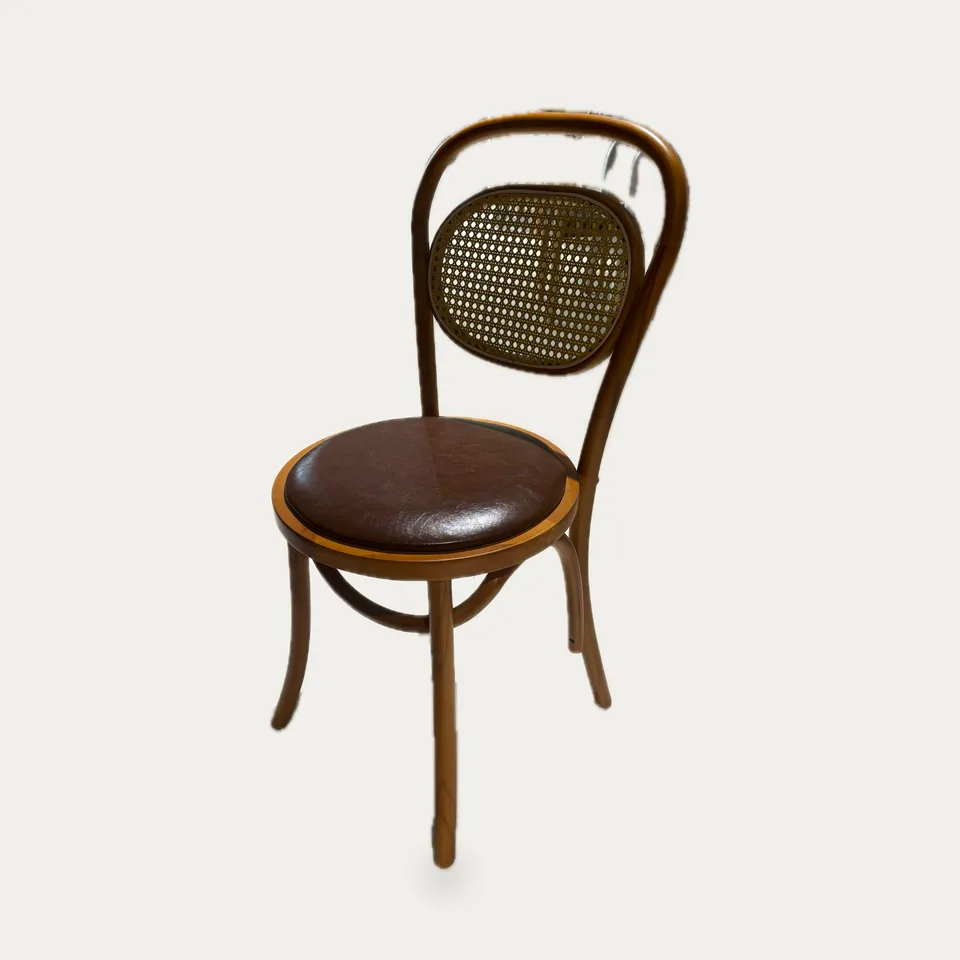
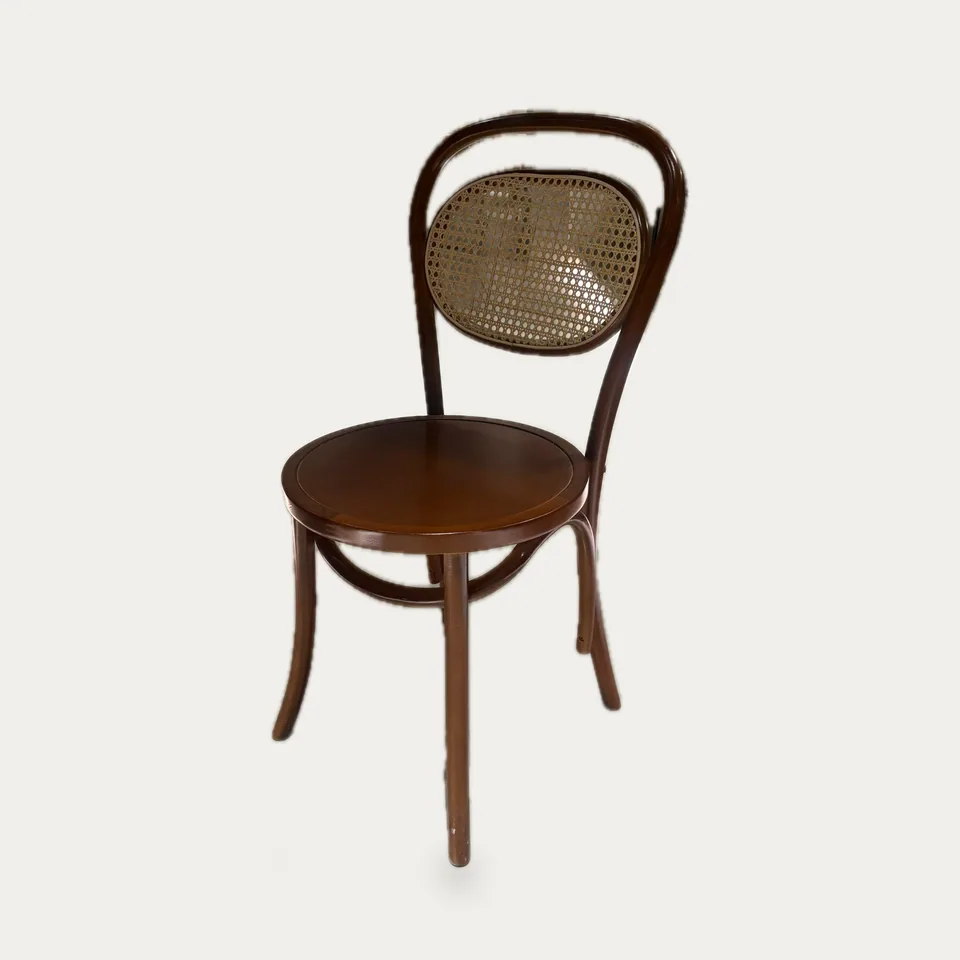
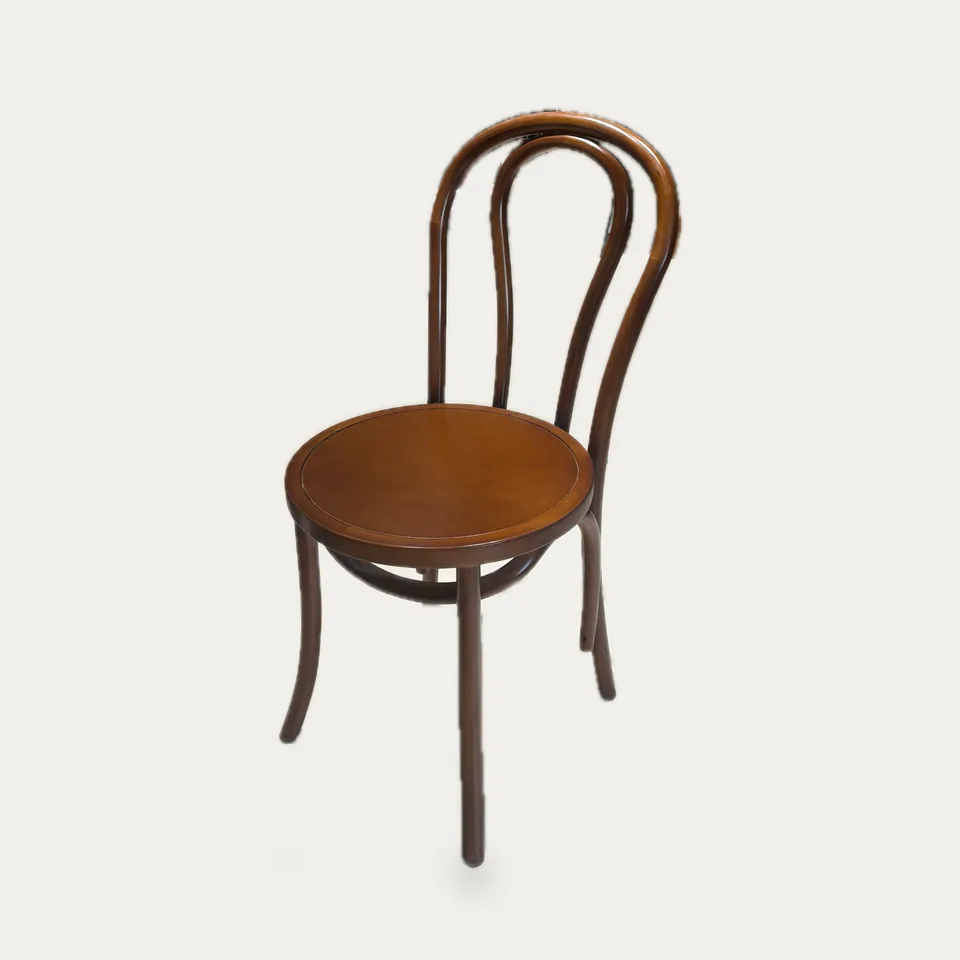
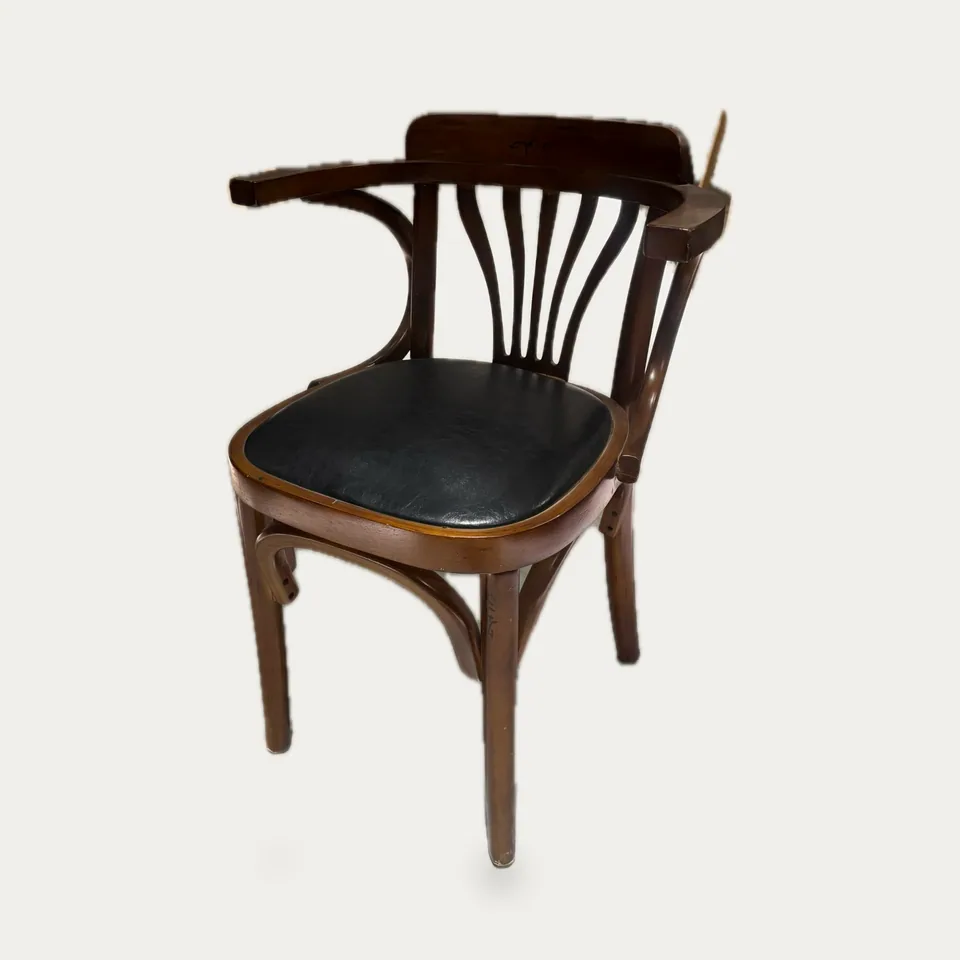
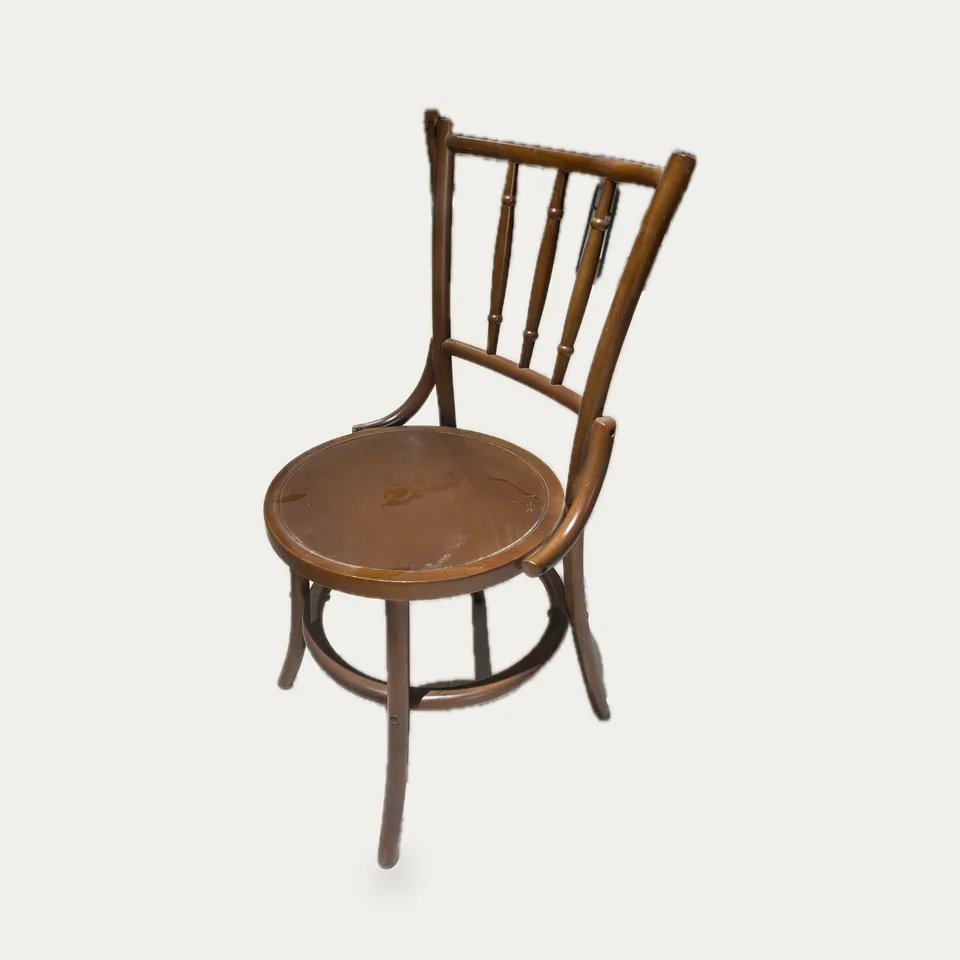
Walk into almost any good cafe from Fitzroy to Ponsonby and you will see a bentwood chair. The reasons are practical as much as stylistic: steam-bent beech or similar hardwood is strong for its weight, the chairs are easy to move for cleaning, and a scratched or loosened chair can be re-glued and refinished rather than replaced.
How our bentwood chairs are built
- Solid hardwood frames, steam-bent and jointed with glue and screws at stress points.
- A bent ring under the seat ties the legs together, the detail that keeps a bentwood chair square after years of being dragged.
- Seats in solid timber, padded faux leather or upholstered fabric.
- Finishes in clear, walnut, dark or custom stains, sealed with a hard-wearing commercial lacquer.
| Chair | Back | Seat | Best for |
|---|---|---|---|
| Fitzroy Cane Bentwood Chair | Woven cane oval | Padded | All-day cafes |
| Paddington Cane Hoop Chair | Woven cane oval | Solid timber | Bistros, wine bars |
| Newtown Bentwood Chair | Loop back | Solid timber | High-turnover cafes |
| Carlton Bentwood Armchair | Fan spindles, arms | Padded | Restaurants, pub dining |
| Glebe Spindle Chair | Vertical spindles | Solid timber | Bakeries, brunch spots |
Sizing. Standard seat height is 450-460 mm for 730-750 mm tables. If you are pairing chairs with existing tables, send us the table height and apron depth so we can confirm thigh clearance; 250-300 mm between seat and underside of table is comfortable.
Cane backs are natural material and will mellow in colour; keep them out of direct, all-day sun and away from heaters. For footpath and courtyard seating, use our beer garden and outdoor range instead.